




How to Choose the Right Motorhome for Your Adventure Needs

Updated: Mar 31

Choosing a motorhome is a big decision that can shape your travel experiences for years. Whether you plan weekend getaways or long road trips, the right motorhome makes all the difference. It offers comfort, convenience, and freedom on the road. But with so many options available, how do you find the perfect fit for your lifestyle and adventure goals? This guide will walk you through the key factors to consider when selecting a motorhome that suits your needs.
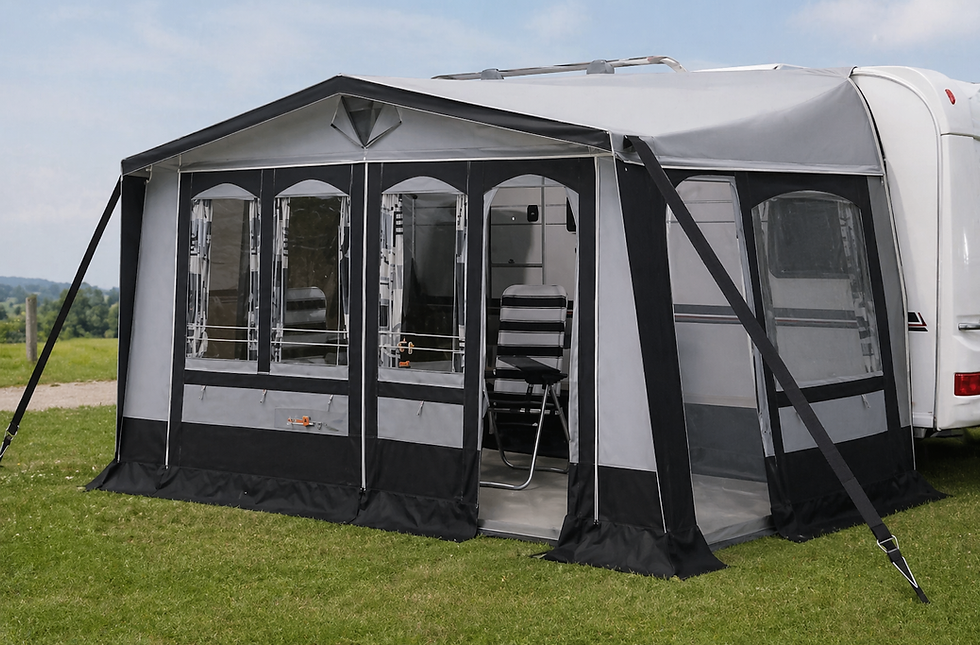
Arriving on a campsite should be the start of your relaxing break — not a stressful guessing game about what to do first. read our setup guide for when arriving at your chosen destination
Understand Your Travel Style
Before exploring motorhome types, think about how you plan to use it. Your travel style influences the size, features, and layout you need.
Weekend Trips vs. Extended Travel
If you mostly take short trips, a smaller, easier-to-drive motorhome might be best. For longer journeys, you’ll want more living space and storage.
Solo Travel, Couples, or Family
The number of travelers affects sleeping arrangements and seating. Families need more beds and space for gear, while solo travelers or couples can opt for compact models.
Preferred Destinations
Consider where you’ll travel. Narrow roads, steep hills, or off-grid camping spots require different vehicle capabilities than highway cruising.
Know the Different Types of Motorhomes
Motorhomes come in several classes, each with unique features and price points. Understanding these helps narrow your choices.
Class A Motorhomes
These are the largest and most luxurious motorhomes. Built on bus or truck chassis, they offer spacious interiors, full kitchens, bathrooms, and often slide-outs for extra room.
Best for travelers who want home-like comfort
Suitable for long-term living or large families
Requires experience driving large vehicles
Class B Motorhomes (Camper Vans)
Class B motorhomes are compact and easy to drive. They look like vans but include basic living amenities like a small kitchen and sleeping area.
Ideal for solo travelers or couples
Easy to park and maneuver
Limited space and fewer amenities
Class C Motorhomes
Class C models are mid-sized and recognizable by the over-cab sleeping area. They balance space and drivability.
Good for families or groups of 4-6
More affordable than Class A but with many features
Easier to drive than Class A
Travel Trailers and Fifth Wheels
Though not motorized, these towable options offer flexibility if you have a suitable vehicle.
Can be detached at the campsite
Wide range of sizes and layouts
Requires towing experience and proper vehicle
Set a Realistic Budget
Motorhomes vary widely in price, from affordable used camper vans to luxury Class A coaches costing hundreds of thousands. Your budget affects your options and ongoing costs.
Initial Purchase Price
New motorhomes cost more but come with warranties. Used models save money but may need repairs.
Operating Costs
Fuel, maintenance, insurance, and campground fees add up. Larger motorhomes consume more fuel.
Storage and Upkeep
Consider where you will store your motorhome when not in use and the cost of upkeep.
Prioritize Essential Features
Make a list of must-have features based on your needs. Some common considerations include:
Sleeping Capacity
Ensure enough beds for all travelers without overcrowding.
Kitchen Facilities
Full kitchens with ovens and refrigerators suit longer trips. Basic setups work for short stays.
Bathroom Setup
Onboard bathrooms add convenience but increase size and cost.
Storage Space
Ample storage keeps your gear organized and accessible.
Climate Control
Heating and air conditioning are important for comfort in different climates.
Technology and Connectivity
Wi-Fi, solar panels, and entertainment systems enhance the experience.
Test Drive and Inspect Before Buying
Never buy a motorhome without a thorough inspection and test drive. Pay attention to:
Driving comfort and visibility
Handling and braking
Interior layout and ease of use
Signs of wear or damage in used models
Bring a checklist and, if possible, a knowledgeable friend or mechanic.
Consider Your Driving Experience
Driving a motorhome differs from a car. Larger vehicles require more skill and confidence.
Start with smaller models if you’re new to RV driving
Practice parking and maneuvering in safe areas
Check licensing requirements in your region
Plan for Maintenance and Repairs
Owning a motorhome means regular maintenance. Know what to expect:
Routine engine and chassis servicing
Appliance upkeep inside the motorhome
Seasonal preparation for winter or summer use
Find reliable service centers near your home and travel destinations.
Think About Resale Value
Motorhomes depreciate over time, but some hold value better than others.
Popular brands and well-maintained vehicles resell faster
Unique features or customizations may affect resale
Keep maintenance records to boost resale appeal
Final Thoughts on Choosing Your Motorhome
Related Guides
• Motorhome Departure Checklist
👉 Follow us on Facebook for inspiration and travel guides


Comments