





How to Check AL-KO Friction Pads for Your Caravan Stabiliser Hitch (2026 UK Guide)

Updated: May 8

Your caravan’s stabiliser hitch plays a crucial role in keeping your journey smooth, stable, and safe.
At the heart of this system are the AL-KO friction pads, which help reduce snaking and improve towing control.
But like any safety component, they wear over time — and if left unchecked, can reduce the effectiveness of your stabiliser.
In this guide, we’ll show you exactly how to check your AL-KO friction pads, what to look for, and when to replace them.
You should regularly check your AL-KO friction pads for wear and contamination.
Replace if worn smooth or contaminated
Keep pads clean and dry
Worn pads reduce stabilisation and towing safety
What Do AL-KO Friction Pads Do?
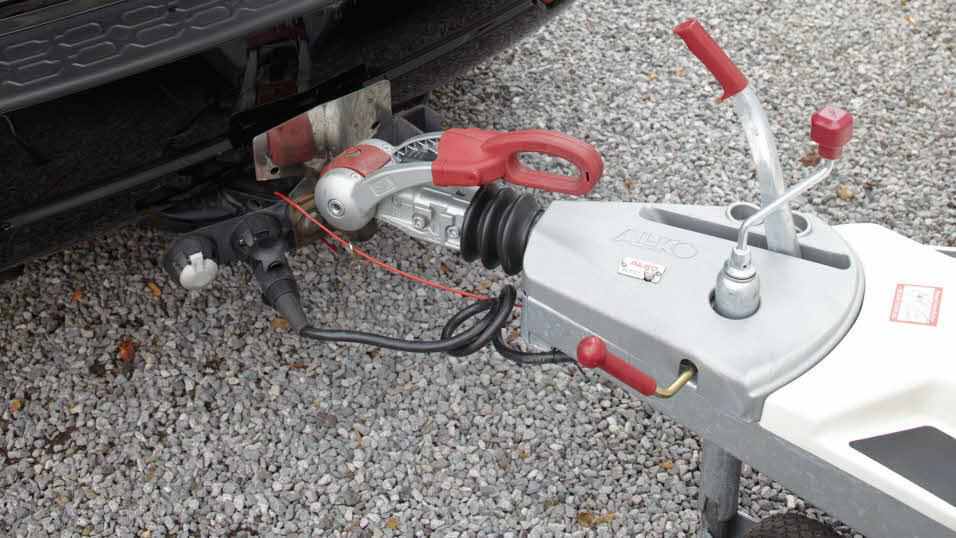
AL-KO friction pads apply pressure to the towball, creating resistance that:
Reduces swaying (snaking)
Improves towing stability
Gives you more control when driving
👉 Without properly working pads, your stabiliser won’t perform as intended.
How to Check Your AL-KO Friction Pads
Step 1: Open the Stabiliser Handle
Lift the stabiliser handle fully to release pressure from the pads.
Step 2: Visually Inspect the Pads
Look inside the hitch head and check:
Are the pads smooth or worn down?
Do they look contaminated (grease, dirt, moisture)?
Is there uneven wear?
Step 3: Check for Contamination
Friction pads must be completely dry and clean.
👉 If you see grease or oil:
Clean immediately
Avoid towing until resolved
Step 4: Test the Stabiliser Feel
When engaging the stabiliser:
It should feel firm and resistant
If it feels loose or weak, pads may be worn
When Should You Replace AL-KO Friction Pads?
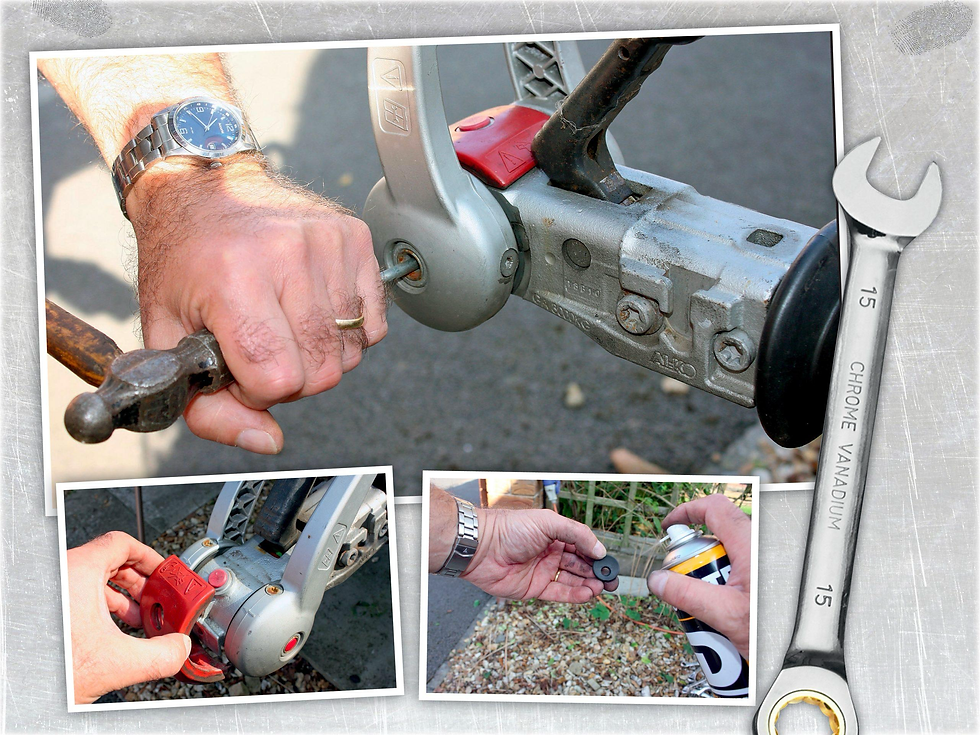
Replace your friction pads if:
They appear smooth or polished
There’s visible contamination
You hear squeaking or grinding
The stabiliser feels less effective
👉 Regular checks help maintain safe towing and prevent long-term damage.
🔧 Need to Replace Your Friction Pads?
If your friction pads are worn, smooth, or contaminated, they’ll need replacing to restore proper stabilisation and towing safety.
👉 Follow our step-by-step guides:
🔧 What If Your Stabiliser Still Feels Loose?
If your friction pads look in good condition but the stabiliser feels loose or easy to close, you may need AL-KO shims.
Shims sit behind the friction pads and help restore proper pressure against the towball.
Improve grip without replacing pads
Help restore correct stabiliser tension
Ideal when pads are still in good condition
👉 If your pads are worn, always replace them instead of using shims.
🔧 Need Replacement AL-KO Friction Pads?
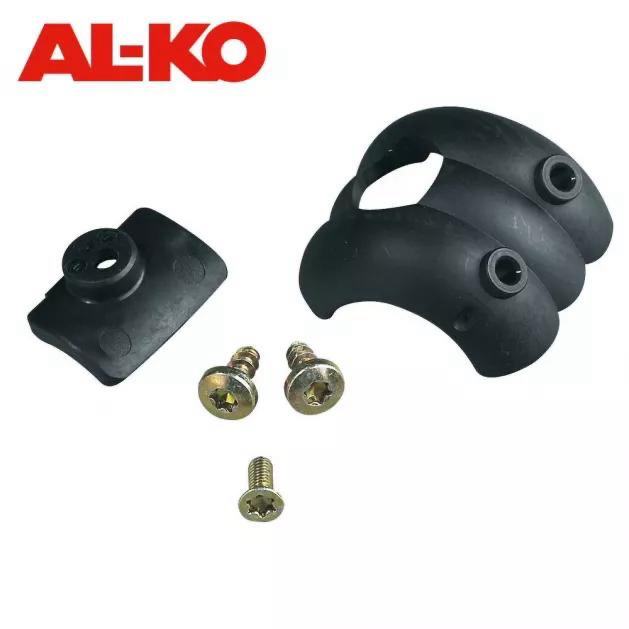
If your friction pads are worn, contaminated, or no longer effective, replacing them is essential for safe towing.
At IDS Camping & Leisure, we stock replacement AL-KO friction pads to help keep your stabiliser performing at its best.
👍 Why Replace Your Pads?
Restore towing stability
Reduce snaking and movement
Maintain safe braking and control
👉 Shop Replacement Friction Pads
💡 Tip: Always check compatibility with your stabiliser hitch before purchasing.
Common Mistakes to Avoid
❌ Touching pads with greasy hands
❌ Using lubricant on friction pads (never do this)
❌ Ignoring early signs of wear
❌ Skipping checks before long journeys
👉 Keep Your Caravan Safe & Road-Ready
Maintaining your stabiliser hitch is just one part of safe touring.
Make sure your full setup is ready:
Summary
AL-KO friction pads are essential for towing stability
They should be checked regularly for wear and contamination
Replace pads if worn, smooth, or ineffective
Never use grease or lubrication on friction pads
FAQs
How often should I check AL-KO friction pads?
Before long trips and regularly throughout the season.
Can I clean friction pads?
Yes — but only to remove dirt. Never apply grease or lubricant.
What happens if friction pads are worn?
Your stabiliser becomes less effective, increasing the risk of caravan sway.
Are worn friction pads dangerous?
They can reduce towing stability, so they should be replaced promptly.
👉 Follow us on Facebook for inspiration and travel guides


Comments