




Poled Awnings vs Air Awnings: Which one is right for you?

Updated: Jan 20
Outdoor Awning solutions come in many forms, but two popular choices stand out: poled awnings and air awnings. Both offer shelter from sun and rain, but they differ in design, setup, durability, and user experience. Choosing the right type depends on your specific needs, space, and how you plan to use the awning.
This post compares poled awnings and air awnings in detail, highlighting their advantages and disadvantages to help you decide which offers better protection and convenience.

What Are Poled Awnings?
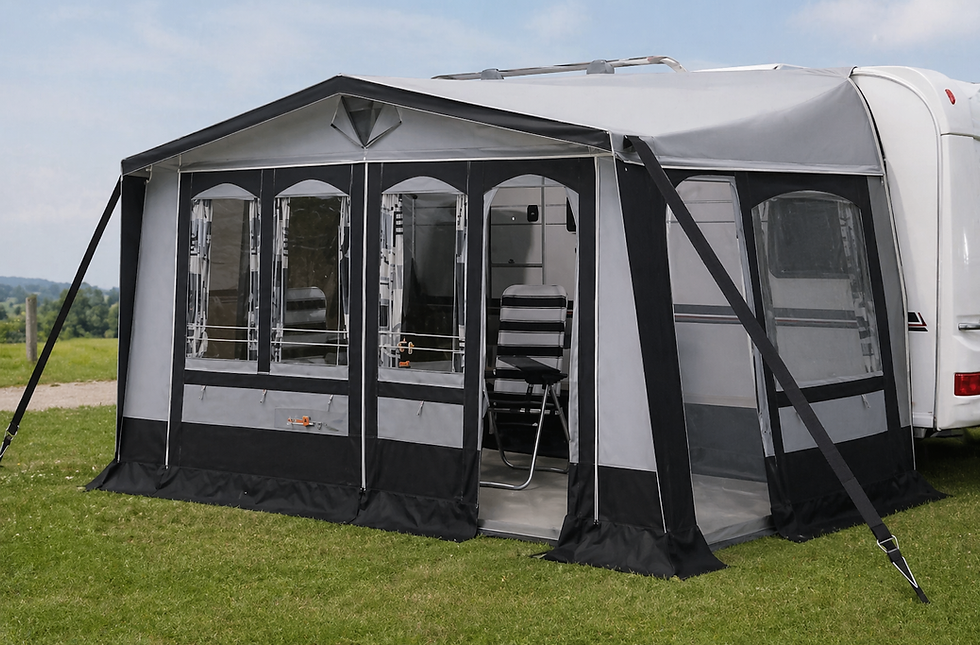
Poled awnings are traditional awnings supported by rigid poles that hold the fabric taut. The poles usually attach to the ground or the vehicle, creating a stable frame. This style has been popular for decades, especially among campers and outdoor enthusiasts.
Pros of Poled Awnings
Strong and Stable Structure
The poles provide solid support, making the awning stable even in moderate wind conditions.
Simple Design
Poled awnings have fewer moving parts, which means less can go wrong during setup or use.
Cost-Effective
Generally, poled awnings are less expensive than air awnings, making them a budget-friendly option.
Easy to Repair
If a pole bends or breaks, it can often be replaced or fixed without replacing the entire awning.
Cons of Poled Awnings
Longer Setup Time
Setting up poles and securing them can take more time and effort, especially on uneven ground.
Heavier and Bulkier
The poles add weight and take up more storage space when packed away.
Less Flexible in Shape
The rigid poles limit the awning's shape and size options.
Potential Trip Hazard
Poles and guy ropes can create obstacles around the awning area.
What Are Air Awnings?

Outdoor Revolution Air Awning
Air awnings use inflatable beams instead of poles to support the fabric. These beams are pumped up with air, creating a lightweight but sturdy frame. Air awnings have gained popularity for their ease of use and modern design.
Pros of Air Awnings
Quick and Easy Setup
Inflating the beams takes just a few minutes, often with a manual or electric pump.
Lightweight and Compact
Without heavy poles, air awnings are easier to carry and store.
Flexible Shape and Size
The inflatable beams allow for more creative and aerodynamic designs.
Safer Around Children and Pets
No hard poles means fewer chances of accidents or injuries.
Cons of Air Awnings
Susceptible to Punctures
Sharp objects or rough handling can cause leaks, requiring patch repairs.
Requires Pump and Maintenance
You need a pump to inflate the beams, and regular checks to maintain air pressure.
Higher Initial Cost
Air awnings tend to be more expensive upfront than poled versions.
Less Stable in Strong Winds
While generally sturdy, inflatable beams may flex more in gusty conditions.
Comparing Protection Offered
Both types of awnings provide shade and shelter, but their protection levels vary depending on conditions.
Sun Protection
Both offer excellent sun protection with UV-resistant fabrics. The choice of fabric and size matters more than the support type.
Rain Protection
Poled awnings tend to handle heavy rain better due to their rigid frame, which keeps the fabric taut and prevents pooling. Air awnings can sag if air pressure drops or if the fabric is not tensioned properly.
Wind Resistance
Poled awnings generally perform better in windy conditions because of their solid poles. Air awnings can withstand moderate winds but may need extra anchoring or deflation in strong gusts.
Comparing Convenience and Usability
Ease of use and convenience are key factors when choosing an awning.
Setup Time
Air awnings win for speed, often ready in under 10 minutes. Poled awnings can take 20 minutes or more, especially for beginners.
Portability
Air awnings pack down smaller and weigh less, making them ideal for those with limited storage or who travel light.
Durability
Poled awnings are tough and can last many years with proper care. Air awnings require more careful handling to avoid punctures but modern materials have improved their lifespan.
Maintenance
Poled awnings need occasional pole checks and fabric cleaning. Air awnings require monitoring air pressure and patching leaks if they occur.
Practical Examples
Camping Trips
For extended camping where wind and rain are common, poled awnings provide reliable shelter. Their sturdiness makes them suitable for family campsites.
Weekend Getaways
Air awnings suit quick setups and take-downs, perfect for short trips
Frequent Travelers
Those who move often between locations benefit from the lightweight and compact nature of air awnings.
Final Thoughts on Choosing Between Poled and Air Awnings
Choosing between poled and air awnings depends on your priorities. If you want strong, stable protection and don’t mind spending time setting up, poled awnings are a solid choice. They offer durability and better performance in tough weather.
If convenience, quick setup, and portability matter more, air awnings provide a modern, user-friendly option. They are easier to handle and safer around children but require more care to avoid damage.
Consider your typical use, weather conditions, and storage space before deciding. Both types can enhance your outdoor experience when matched to your needs.


Comments