




The Ultimate Autumn Caravan Checklist: 25 Things to Check Before Your Next Trip


Autumn can be one of the best times to enjoy a caravan holiday in the UK. Campsites are quieter, popular destinations feel less crowded, and the changing countryside can look spectacular.
However, cooler nights, heavier rain, stronger winds and fewer daylight hours mean your caravan needs a little extra preparation.
This practical autumn caravan checklist covers 25 important checks to complete before your next trip. Whether you are planning a weekend break or several weeks of autumn touring, it will help you stay warm, dry and prepared.
Why Is an Autumn Caravan Checklist Important?
Conditions can change quickly during a UK autumn. A warm afternoon may be followed by a cold night, while a firm campsite pitch can become wet or muddy after several hours of rain.
Preparing properly can help you:
Identify maintenance problems before travelling
Reduce the risk of damp and condensation
Stay comfortable during colder nights
Set up safely in wet or windy conditions
Avoid battery, gas and heating problems
Cope with shorter days and darker arrivals
Here are the checks we recommend completing before setting off.
Exterior and Towing Checks
1. Check Your Caravan Tyres
Examine each tyre for cuts, cracking, bulges and uneven wear. Caravan tyres can deteriorate with age even when the tread still looks acceptable.
Check the tyre pressures when the tyres are cold and use the pressure recommended by the caravan manufacturer. Remember to inspect the spare wheel as well.
If you are uncertain about a tyre’s condition or age, ask a qualified tyre specialist to inspect it.
2. Test All Road Lights
Autumn often means towing in dull weather, rain or darkness, so working road lights are especially important.
Connect the caravan to your towing vehicle and check:
Indicators
Brake lights
Tail lights
Number-plate illumination
Side and front marker lights
Fog lights
Carrying spare bulbs and fuses can prevent a minor failure from disrupting your journey.

3. Inspect the Hitch and Breakaway Cable
Check the hitch mechanism for visible wear, dirt or damage. Make sure the stabiliser operates correctly and inspect the breakaway cable for corrosion or fraying.
When hitching up, confirm that:
The hitch is correctly engaged
The breakaway cable is attached properly
The electrical connection is secure
The jockey wheel is raised and locked
The caravan handbrake is released before moving
If you are new to touring, our guide to common caravan mistakes explains several hitching and loading problems to avoid.
4. Check the Caravan’s Exterior Seals
Inspect the sealant around windows, rooflights, service hatches, awning rails and exterior fittings.
Look for:
Cracks or gaps
Loose sealant
Discolouration
Signs of water staining
Damp smells inside nearby cupboards
Do not simply apply new sealant over an unidentified leak. If you find damage or suspect water ingress, arrange an inspection by a competent caravan technician.
5. Clean Gutters and Water Run-Off Areas
Leaves, moss and dirt can prevent rainwater from draining properly. Clean accessible channels and check that water can run away from rooflights, windows and awning rails.
Avoid climbing onto the caravan roof unless the manufacturer confirms that it is designed to support your weight. Use safe access equipment or seek professional assistance.
6. Inspect the Corner Steadies and Jockey Wheel
Check that the corner steadies move freely and that their pads are undamaged. They are designed to stabilise a level caravan—not to lift it.
Inspect the jockey wheel for:
Correct operation
Tyre damage
Loose fittings
Excessive movement
Difficulty winding up or down
Lubrication and maintenance should follow the manufacturer’s instructions.
Heating, Gas and Safety
7. Test the Caravan Heating Before Leaving
Do not wait until the first cold night to discover that your heating is not working.
Test the system at home and confirm that warm air reaches every outlet. Check the manufacturer’s instructions and ensure that heater vents and flues are unobstructed.
Gas appliances should be serviced by an appropriately qualified professional. Never attempt repairs unless you are competent and authorised to do so.
8. Check Your Gas Supply
Confirm that you have enough gas for heating, hot water and cooking. Cooler conditions can significantly increase gas consumption.
Inspect accessible hoses and connections for visible damage, but do not dismantle or modify the system. Make sure gas cylinders are upright and secured in their designated compartment.
Never use a barbecue, camping stove or other outdoor appliance to heat the inside of a caravan or awning.

9. Test Smoke and Carbon Monoxide Alarms
Use the test buttons to check your smoke and carbon monoxide alarms. Replace batteries where required and check the replacement date printed on each unit.
A carbon monoxide alarm does not replace proper ventilation or regular servicing, but it provides an essential additional layer of protection.
10. Check Your Fire-Safety Equipment
Make sure your fire blanket and extinguisher are accessible and in serviceable condition. Everyone travelling should know where they are kept and how to leave the caravan quickly in an emergency.
Keep exits clear and never leave cooking or portable heating equipment unattended.
Electrical and Battery Checks
11. Inspect the Electric Hook-Up Cable
Uncoil your electric hook-up cable and check the full length for cuts, crushing, exposed conductors or damaged plugs.
Do not use a visibly damaged cable. Have questionable cables inspected or replaced by a competent person.
On site, fully uncoil the cable to prevent heat building up and position it where it will not create a trip hazard.

12. Check the Leisure Battery
A weak leisure battery can become more noticeable during autumn because lighting, heating controls, pumps and charging equipment may be used more frequently.
Check:
State of charge
Terminal condition
Secure mounting
Signs of swelling, leakage or damage
Manufacturer-recommended charging procedure
If the battery is damaged or repeatedly loses charge, arrange professional testing.

13. Pack Torches and Spare Batteries
Autumn arrivals do not always go to plan. Road delays can easily turn a daylight setup into a pitch-dark one.
Keep at least one torch somewhere accessible from the caravan door or towing vehicle. Head torches are particularly helpful because they leave both hands free while connecting services or operating the steadies.
Pack spare batteries or a rechargeable light and power bank.
14. Test Interior and Exterior Lighting
Check every light before travelling, including awning lights, reading lamps and any exterior setup lighting.
Replace failed bulbs and consider keeping a small lantern close to the door. Choose campsite lighting that illuminates your immediate area without disturbing neighbouring pitches.
Damp, Condensation and Ventilation
15. Check for Signs of Damp
Before packing, inspect corners, cupboards, window surrounds, rooflights and storage areas.
Warning signs include:
A musty smell
Water staining
Soft wall or floor areas
Mould or mildew
Persistent condensation
Discolouration around seals
Damp can remain hidden until significant damage has developed. Our guide to caravan damp reports and moisture readings explains why professional checks are valuable.
16. Make a Ventilation Plan
Closing every vent may make a caravan feel warmer, but it can trap moisture produced by breathing, cooking and drying wet clothing.
Never block fixed ventilation points. Use controllable windows and roof vents in accordance with the caravan manufacturer’s instructions, and air the caravan each morning.
A small amount of controlled ventilation can make the interior feel much fresher and help manage condensation.
17. Prepare for Wet Coats and Footwear
Plan where you will put wet jackets, walking boots, dog towels and umbrellas.
Useful items include:
An absorbent entrance mat
A boot tray
Microfibre towels
A collapsible laundry basket
Waterproof storage bags
Spare dry footwear
Whenever possible, avoid drying soaked clothing directly inside the main living area because it releases moisture into the caravan.
Water and Campsite Setup
18. Inspect the Fresh-Water Equipment
Check your fresh-water container, pump, hose and connectors for damage. Clean and flush the system according to the manufacturer’s recommendations if it has not been used recently.
Cold nights can occasionally bring an early frost. Keep exposed water equipment protected where practical and follow the caravan manufacturer’s cold-weather guidance.
19. Check the Waste-Water Equipment
Make sure your waste-water container, pipes and fittings are clean, complete and free from cracks.
Position waste pipes with a suitable fall so water does not collect in low sections. In colder weather, standing water can become unpleasant and may freeze if temperatures fall far enough.
20. Pack Levelling Ramps and Wheel Chocks
Autumn pitches can be soft, uneven or slippery. Pack suitable levelling ramps, wheel chocks and pads for the corner steadies.
Always level the caravan using the wheels and jockey wheel before lowering the corner steadies. The steadies should stabilise the caravan, not lift it.
The IDS arrival and departure checklist provides a useful campsite setup routine.
21. Bring Equipment for Muddy Pitches
A few simple items can make a wet autumn pitch much easier to manage:
Waterproof gloves
Sturdy footwear
A kneeling pad
A small brush
Heavy-duty refuse sacks
Cleaning cloths
Suitable ground protection
A doormat or step mat
Check campsite rules before placing groundsheets or mats on grass pitches.
Awning and Weather Preparation
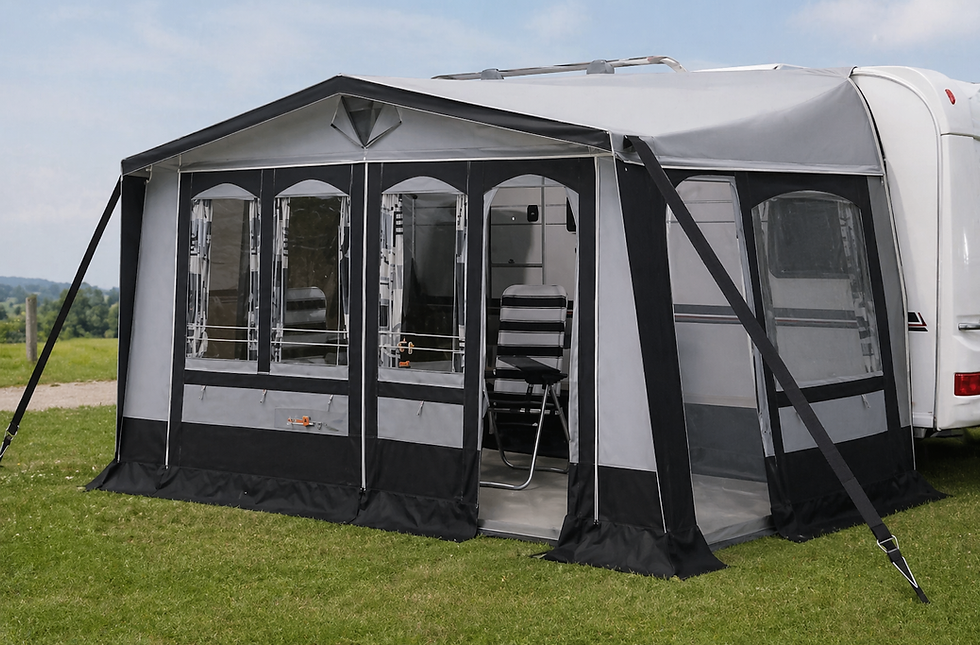
22. Inspect Your Awning Before the Trip
Unpack and inspect the awning if it has been stored for a while. Check the fabric, seams, zips, poles, air beams, valves, pegs and guy lines.
Confirm that the awning is appropriate for the forecast conditions. Lightweight touring awnings may not be suitable for severe weather or unattended seasonal use.
23. Pack the Correct Pegs and Storm Equipment
Standard pegs may struggle in wet, soft or hard autumn ground. Carry a suitable selection and inspect storm straps for wear.
Fit storm equipment in accordance with the awning manufacturer’s instructions. Do not overtighten straps, and check the setup regularly when conditions change.
Our caravan awning setup guide explains how to position, peg and tension an awning correctly.
24. Know What to Do With a Wet Awning
Sometimes an awning has to be packed away wet. Shake off excess water and keep wet fabric separate from dry equipment where possible.
Unpack and dry the awning fully as soon as you return home. Leaving it folded while damp can cause mildew, staining and unpleasant odours.
Read our complete guide to packing away a wet caravan awning before travelling.
Final Planning
25. Check the Forecast, Campsite and Route
Review the weather forecast immediately before leaving and continue monitoring it during your stay.
Check:
Wind speed and gusts
Heavy-rain warnings
Overnight temperatures
Flood warnings
Your campsite’s arrival time
Surface and drainage of the allocated pitch
Whether facilities have reduced autumn opening hours
Suitable towing routes and road closures
If severe conditions are forecast, changing your travel time or postponing the journey may be the safest choice.
Quick Autumn Caravan Packing List
In addition to your normal touring equipment, consider packing:
Warm layered clothing
Waterproof coats and trousers
Spare dry footwear
Extra blankets
Torches or head torches
Spare batteries
Weatherproof gloves
Microfibre towels
Boot tray
Entrance mat
Levelling ramps
Wheel chocks
Corner-steady pads
Appropriate awning pegs
Awning storm equipment
Spare bulbs and fuses
First-aid kit
Fire blanket
Electric hook-up cable
Fresh- and waste-water equipment
For a wider list covering documents, cooking equipment and everyday essentials, see our ultimate caravan packing checklist.
Autumn Caravanning FAQs
Is autumn a good time to go caravanning in the UK?
Yes. Campsites and attractions are often quieter, and touring can be more relaxed than during the summer holidays. You should prepare for colder nights, heavier rain, stronger winds and shorter days.
How can I keep my caravan warm during autumn?
Test the fitted heating before travelling, pack suitable bedding and clothing, and reduce draughts without blocking permanent ventilation. Only use heating equipment approved for your caravan and follow the manufacturer’s safety instructions.
How do I prevent condensation in an autumn caravan?
Maintain ventilation, use the fitted heating sensibly, open windows or roof vents when cooking, avoid drying wet clothing in the living area and air the caravan each morning. Never block fixed vents.
Should I leave my caravan heating on overnight?
Follow the heating-system and caravan manufacturer’s instructions. Ensure the appliance has been serviced, ventilation remains unobstructed, and smoke and carbon monoxide alarms are working. Never use an outdoor gas appliance or barbecue as an indoor heater.
What should I do if high winds are forecast?
Check the campsite’s advice and your awning’s weather limitations. Retract or remove equipment that is not suitable for the conditions. If the forecast makes towing or camping unsafe, delay or change your plans.
Enjoy Quieter Autumn Touring
Autumn caravanning rewards good preparation. A few checks at home can prevent cold nights, damp equipment and frustrating campsite problems later.
Work through this checklist before you leave, monitor the weather and adapt your setup to the conditions. With the caravan warm, dry and properly equipped, you can enjoy everything that quieter autumn touring has to offer.
What is one item you always take on an autumn caravan trip? Share your recommendation in the comments.
Explore more practical caravan, campervan and motorhome equipment at IDS Camping & Leisure.


Comments